Individual — Pay Now
$330
For one attendee.
Pay online now, then register with Zoom.
Zoom will email your personal access link.
Pay $330 Now
Approving and managing on-sale alcohol businesses is one of the most challenging responsibilities for city officials. Poorly managed establishments can create ongoing problems—violence, DUIs, nuisance complaints, and excessive calls for service.
This 2-hour Zoom workshop provides city officials with practical, proven strategies to approve, condition, and onboard on-sale alcohol businesses in ways that improve both public safety and business performance.
Register as an individual--or as a city at a significant discount.
Next Session: Wednesday, October 28, 2026, 10:00 a.m. to 12:00 noon Pacific Time
Duration: 2 Hours
Location: Live via Zoom; link emailed after payment is received
Certifications: AICP Certification; POST Certification Pending
Tuition:$330 per student
City Rate:$990 flat rate for a city, maximum of 10 students from that city
Register as an individual--or as a city at a significant discount.
This workshop is designed specifically for professionals who are responsible for reviewing, approving, or monitoring on-sale alcohol licenses:
Standard approaches to the CUP process fall short—and the result is persistent mismanagement in on-sale alcohol establishments. This section explains why.
Learn how to integrate consistent, effective messaging at every stage of the approval and oversight process, from application through post-opening.
Use of the “alcohol pledge” form and scripted talking points for planners that set expectations from the first contact with an applicant.
How to write effective conditions of approval that influence real-world business operations. Includes model operating standards and proven language for CUPs and entertainment permits—conditions that prevent problems before they begin.
Before the public hearing, many cities hold a pre-hearing meeting to review proposed conditions. Scripted planner talking points emphasize the conditions that have the greatest impact on public safety and reducing calls for service.
Public hearings are a critical opportunity to set expectations for business operators. Learn how planning commissioners can reinforce operational expectations using scripted talking points that make your city’s standards clear and on the record.
A pre-opening meeting between law enforcement, code enforcement, and the business’s management is an opportunity to:
An Enhanced Bar Check (EBC) involves law enforcement walking through the premises with the manager on duty—a strategy for helping management enforce the law against serving obviously intoxicated customers. EBCs are designed to significantly reduce the number of customers who reach high-risk intoxication levels of .15 percent BAC or higher.
A post-opening meeting with law enforcement, code enforcement, and business owners and management—including department leads—provides an opportunity to deliver both positive feedback and corrective action where needed. Immediate feedback on any condition violations—rather than waiting for a three-month review—is critical to early compliance.
Protecting the license —How obviously intoxicated customers put the ABC license at risk and quietly drain profits
Insurance & liability basics —Key facts every operator needs to know about lawsuits and coverage
The case for cutting off —The “relative crash risk” chart and seven reasons why cutting off at the first signs of intoxication benefits the business
The cost of overpouring —How industry-wide overpouring of spirits reduces profit, shrinks tips, and increases customer risk
Best practices —Proven strategies for reducing intoxication and increasing cut-offs
Building an ethical workplace —A powerful appendix on creating a culture where staff consistently do the right thing. When management models the behavior they expect, staff follow—and the result is a safer, more profitable business
The math on cut-offs —A clear, easy-to-follow table showing how cutting off intoxicated customers reduces customer churn and improves sales
“What a great opportunity for cities. I wish these workshops had been available when I was in office.”
— Peter Buffa, Former Mayor, City of Costa Mesa
“When regulating new outlets, establishing specific conditional use permit provisions . . . allows cities to take much swifter action than if a city was forced to rely on the Department of ABC to take action.”
— Steve Mattas and Jason Rosenberg, Municipal Lawyers
“This course fills a need in peace officer training. It augments what is taught in the POST Basic Course and any liaison training that officers receive when working with ABC agents in the field.”
— Dan Toomey, Training Coordinator, Central California Intelligence Center
“I urge cities to consider this new training. The ABC can only do so much. With this training, local officials can now do even more to prevent problems and reduce costs. This training is a great concept and business friendly.”
— Jerry R. Jolly, Former Director, California Department of Alcoholic Beverage Control
“Gregg and Lauren are uniquely qualified to provide training and technical assistance on how planners, bar owners and police can work together to prevent and reduce alcohol-outlet related problems. Their services are highly recommended.”
— Michael Sparks, Alcohol Policy Specialist & President, Sparks Initiatives
“Very good info in the training class. I will use these concepts in my everyday duties.”
— Vice Detective, 10 years total law-enforcement experience; 10 years of alcohol enforcement
“I found very useful info. Especially for beginners in this subject. Thank you!”
— Code Enforcement Manager, 37 years’ experience in city government
“Gregg is an outstanding instructor and passionate about the topics.”
— Administration, 16 years total law-enforcement experience
“Great course! The operational standards are a great takeaway that will help my department significantly. Resource materials regarding current best practices will be most helpful to me in my profession as a city planner.”
— Anonymous Student
“This is a great training. This is a topic that local government planners and police departments grapple with constantly.”
— Anonymous Student
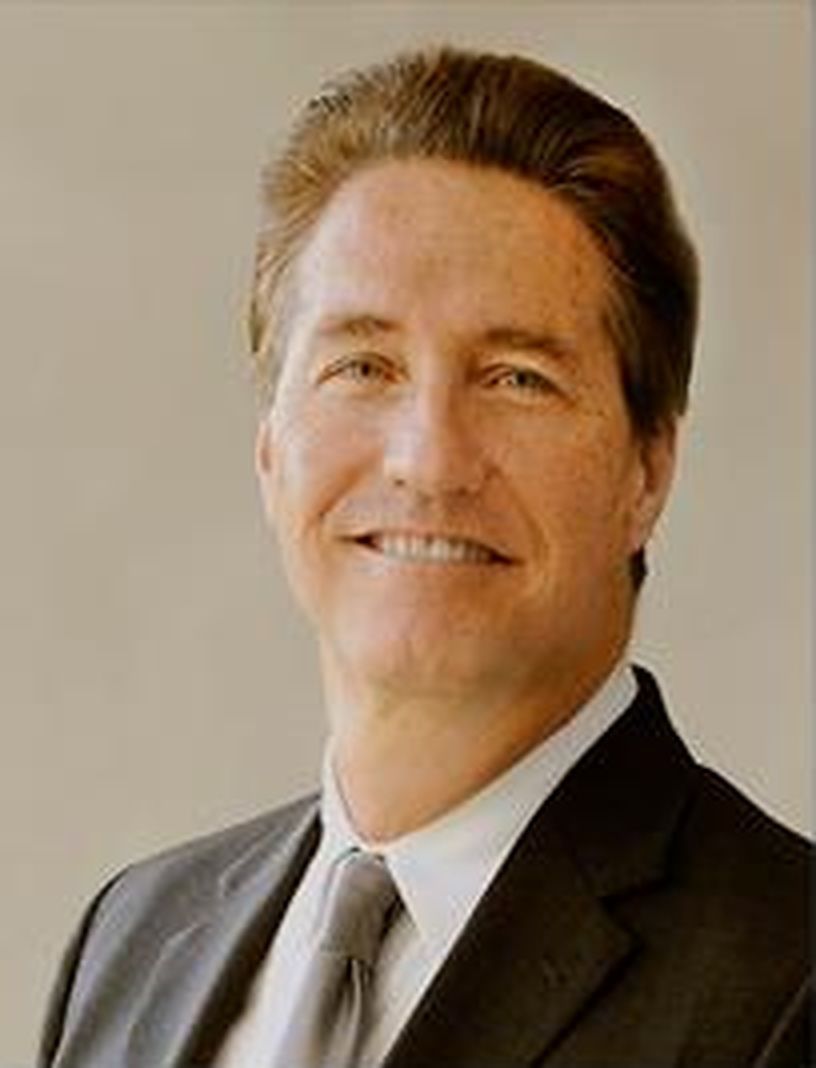
Gregg Hanour is the co-founder and partner of DrinkWise America, which provides ABC-certified alcohol training. He also conducts workshops in Advanced Bar Management, Best Practices to Prevent DUIs, and Professional Security Practices. Gregg has also trained city officials, including law enforcement, in the POST- and AICP-certified course, Nuisance-Free Bars. He and former ABC district administrator Lauren Tyson are the founders of Alcohol Best Practices and co-authors of Best Practices for Nightlife Establishments. Gregg’s books, The Optimized Bar—Profits by Design and A Business Approach to Reducing Drunk Driving , are available on Amazon.
Lauren worked for the CA ABC for 29 years, with duties as an investigator, supervising investigator, and district administrator. After retiring, she founded a consulting firm to help businesses with alcohol licensing and compliance. She also worked as an expert witness in civil litigation involving bars. Her book, The Perils of Selling Alcohol: A Guide for Bar Owners Facing Legal Trouble , will be available soon.
The course workbook is proprietary material and will be distributed to all registered participants approximately 5 days before the course date.
Registrants who are unable to attend may transfer their enrollment to another qualified participant from the same organization at no charge, provided notice is given at least 48 hours before the course date.
Cities registering at the $990 flat rate may substitute attendees at any time up to 48 hours before the course. Cancellations of city registrations follow the same schedule above. No partial refunds will be issued for individual attendees within a city registration.
If the course is cancelled or rescheduled by Alcohol Best Practices, registered participants will receive a full refund or the option to transfer their registration to the next available session.
Questions? Contact hanourgregg@gmail.com or 949-300-0977.
