How Businesses Can Reduce Obvious Intoxication and Increase Cut-offs, Part 2
(Insight in the “Drunk, Drunker, and High-Risk Drunkenness” series)
Recap of Prior Insight
- You can encourage your city’s alcohol businesses to adopt new approaches designed to decrease obvious intoxication and improve timely service cut-offs. For a successful rollout, however, owners and managers must first clearly understand both how these new approaches benefit their business and what those approaches involve.
- The 42-page Best Practices for Nightlife Establishments booklet is the operator’s roadmap to more profitability and fewer calls for service.
- When businesses replace legacy practices with best practices, your public safety expenses decrease and community safety increases.
Short on time? Skip to the recap below!
How to replace legacy practices with best practices
Systemic problems in any business often stem from two root causes:
- A lack of best practices, or
- A lack of monitoring to ensure those practices are followed.
The same challenges exist for ABC-licensed businesses. Alcohol-related incidents and compliance issues are common. Yet, owners and managers have had limited access to practical, field-tested risk management strategies (best practices). Effective preventative policies and procedures are missing from traditional hospitality management curricula. My Advanced Bar Management Workshop was designed to bridge this knowledge gap, though its current availability is limited.
The 42-page Best Practices for Nightlife Establishments booklet solves the problem by making these practices accessible to all.
What’s in the booklet?
Full-color pages that take the guesswork out of operating responsibly.
- Six helpful pages explaining how obviously intoxicated customers put the ABC license at risk and quietly drain profits
- Three pages in the Appendix devoted to insurance and lawsuit basics
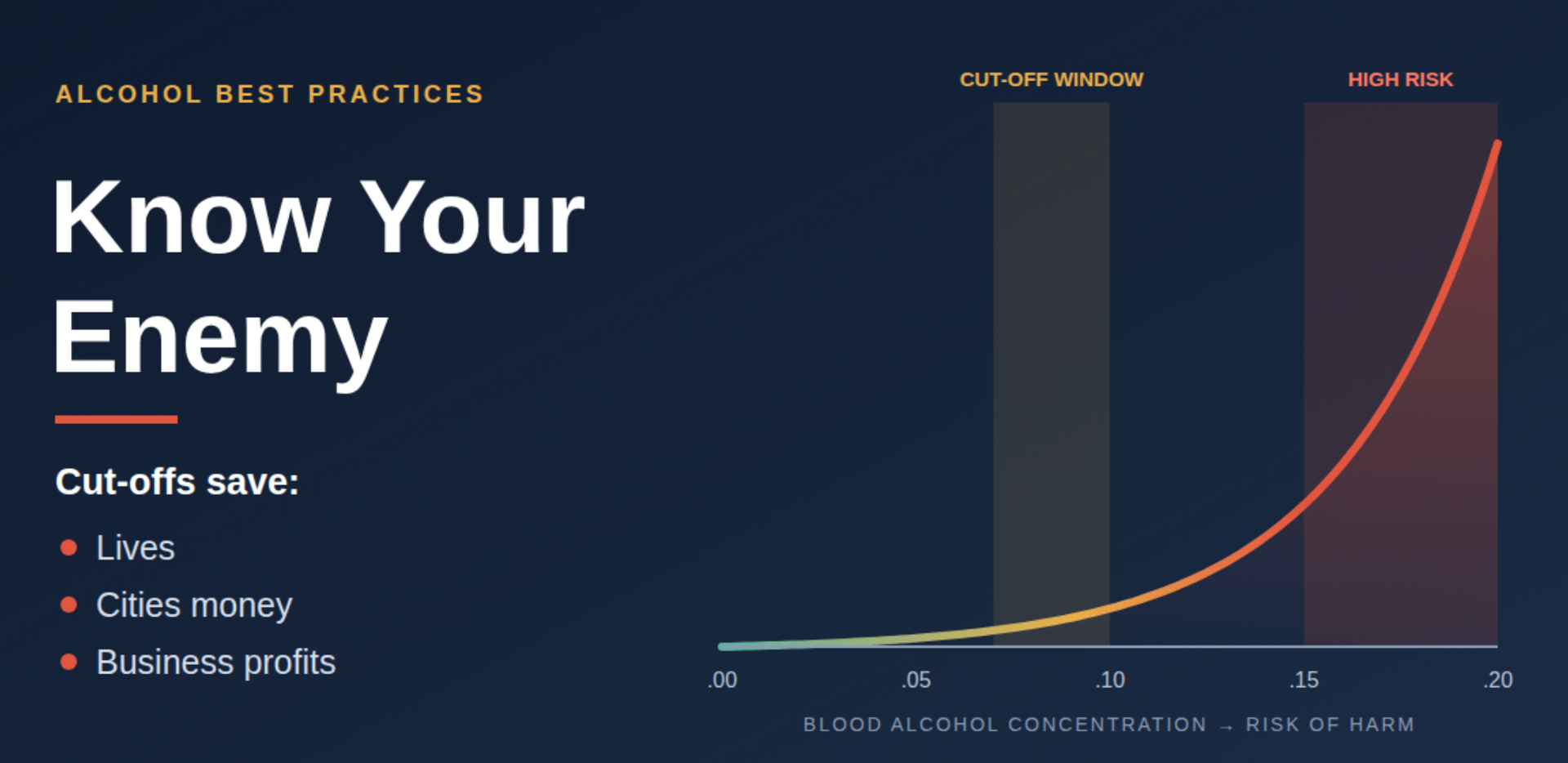
- One crucial page featuring the “relative crash risk” chart and seven reasons why cutting off customers at the first signs of obvious intoxication benefits the business
- One eye-opening page highlighting the substantial financial gains from eliminating industry-wide overpouring of spirits, a practice that also reduces profit, tips, and increases customer risk
- Two pages of best practices for reducing intoxication and increasing cut-offs (introduced in our previous Insight, “How businesses can . . . Part 1”)
- A thought-provoking, powerful appendix, "A Culture Around Doing the Right Thing," which is about creating an ethical workplace culture. Fraud experts note that 80% of employees are influenced by workplace culture to act either ethically or unethically. In the alcohol industry, moral behavior carries particularly high stakes. Staff must not steal cash sales or give away drinks; remain calm with difficult customers; check IDs reliably; and, critically, cut off obviously intoxicated customers, including off-duty staff. When management consistently cuts off intoxicated customers, they model the expectations they want staff to uphold. This strengthens the ethical culture that is essential to a safe, profitable business.
- An easy-to-follow table in the appendix showing the math on how cutting off drunk customers reduces customer churn and improves sales
Customer churn: an overlooked cost of overservice
All businesses experience churn, i.e., lost customers. In the hospitality industry, churn is uniquely amplified because customers often visit in groups. And one bad experience can ripple across entire social circles.
While churn can result from many factors (moving away, aging out, service issues, competition), alcohol-driven negative experiences are a leading, but under-recognized, cause.
Guests may leave permanently after:
- Arguments started by a drunk customer
- A fight
- Witnessing an ugly confrontation
Importantly:
- 45% of customers share negative experiences on social media
- One negative review can drive away 30 customers
The Best Practices for Nightlife Establishments booklet explains how cutting off intoxicated customers impacts churn—and how dramatically this reduces profit. For example:
Improved sales by cutting off drunk customers
Consider a business that decides to enforce a cut-off policy and that policy results in five more obviously intoxicated customers being cut off per day:
If open 365 days:
- $1,820 additional cut-offs annually
- $13,650 loss in immediate drink profit
- ($10 drink with a 25% pour cost = $7.50 drink profit lost)
- ($7.50 profit per drink × 1,820 = $13,650)
Now consider the cost of not cutting them off:
If just 1 in 20 intoxicated customers who were not cut off drives away one regular customer who visited monthly for three drinks:
- 91 customers lost annually (1,820 ÷ 20)
- $24,570 in lost annual profit
- (91 customers × 36 drinks × $7.50 = $24,570)
The net gain from enforcing cut-offs:
- +$10,920 annual profit increase
- +$21,840 profit increase if each lost customer takes just one friend with them.
Albeit some of those cut-off customers would have purchased more than one more alcoholic drink, the above calculation is conservative. Research shows one negative experience can ripple outward far beyond one or two customers, especially when groups make nightlife decisions collectively.
The true financial benefit of cutting off intoxicated customers is significantly higher.
Additional benefits of cutting off obviously intoxicated customers
Businesses that enforce responsible alcohol practices see improvements across every major risk category:
1. Fewer general liability claims
Most liability claims originate from drunk customers. Each claim:
- Costs the business its deductible.
- Raises premiums and deductibles for years.
2. Fewer Workers’ Compensation claims
Many staff injuries involve intoxicated patrons, especially in late-night businesses.
- Claims raise the business’s Experience Mod (higher Mod = higher premiums).
- In California, a single major claim can trigger a “shock factor” that dramatically increases costs for several years.
3. Fewer credit card walkouts and chargebacks
Most are caused by intoxicated customers who should have been cut off.
4. Less damage to property
Both inside the business and in the surrounding areas.
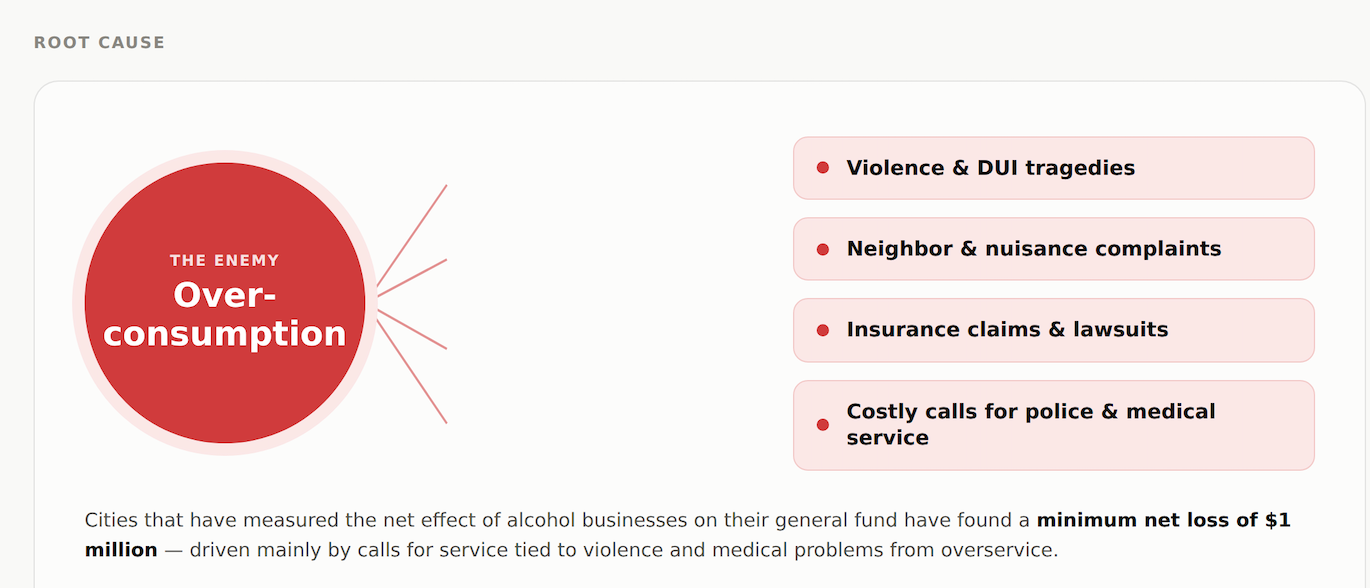
5. Far fewer calls for service
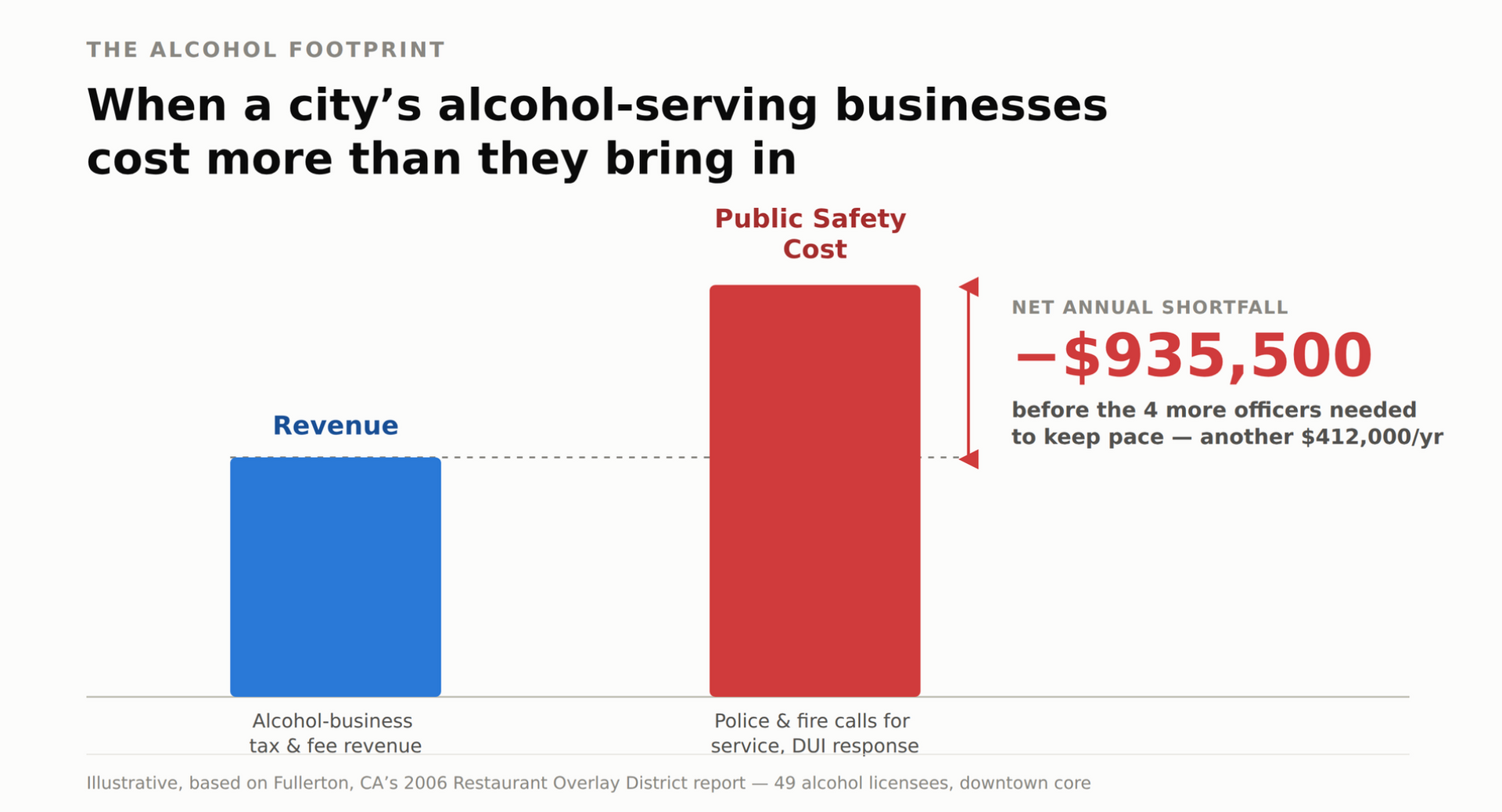
Intoxicated customers are the leading trigger for police and other first responders. Repeated calls can result in the business being deemed a disorderly house, drawing increased scrutiny or penalties.
In my Advanced Bar Management workshop, I discuss these numbers and their implications in depth—often producing “lightbulb moments” for participants.
The Best Practices for Nightlife Establishments booklet captures the most critical insights from that training and our combined decades of experience in hospitality management and alcohol regulation.
It’s never been easier to help your alcohol establishments do better.
Next in this series
Our final Insight in the “Drunk, Drunker, and High-Risk Drunkenness” series:
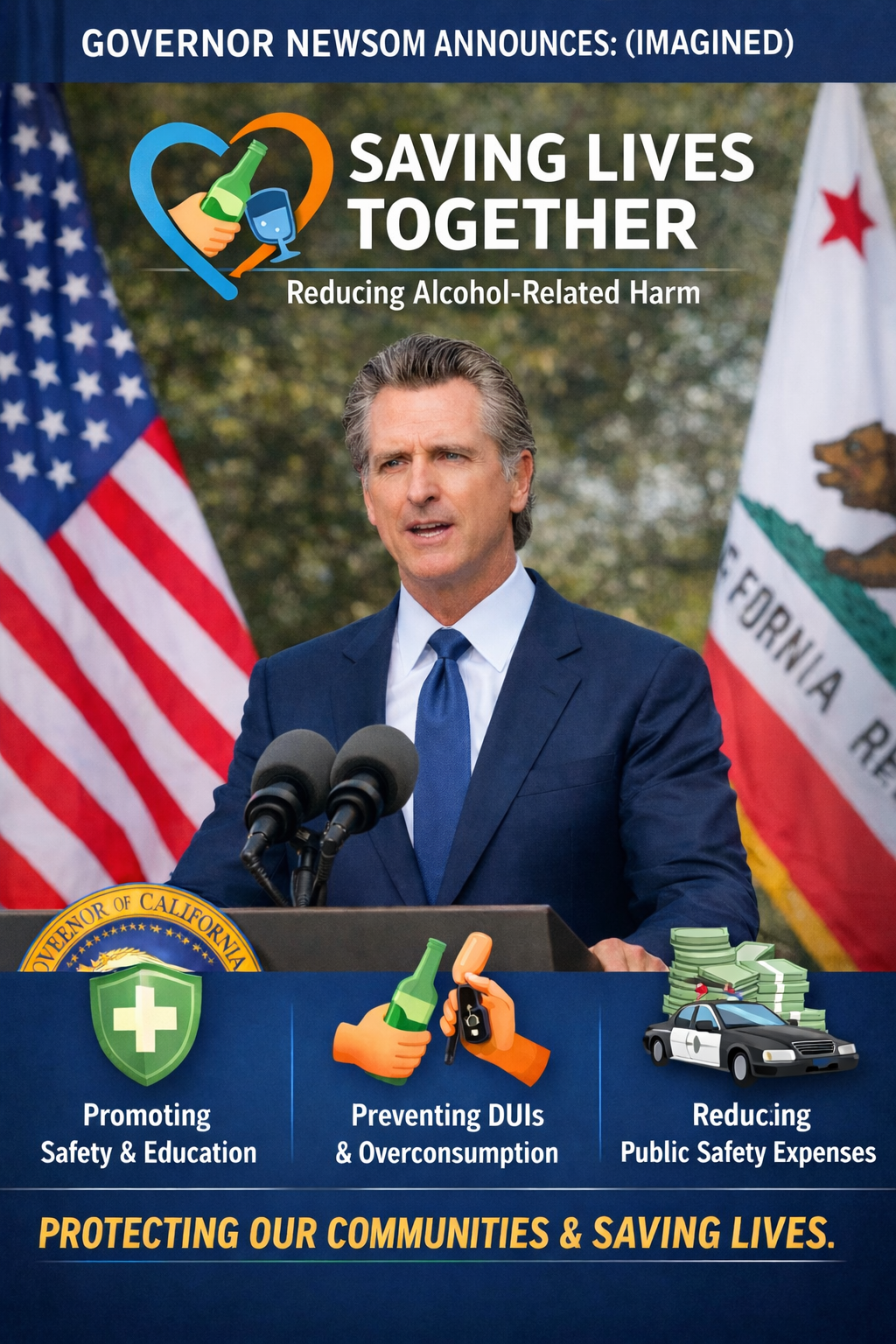
- Press Release from Governor Newsom (imagined)
FINAL RECAP
- All businesses and organizations have churn, i.e., lost customers. Alcohol businesses often lose customers because of unfortunate experiences fueled by a drunk customer.
- The Best Practices for Nightlife Establishments booklet shows alcohol business owners how drunk customers who are not cut off can result in lost customers and reduced profit.
- The benefits from cutting off drunks far exceed the financial gain resulting from reduced customer churn. These benefits include:
- Fewer general liability insurance claims. Almost all claims are caused by obviously intoxicated customers; claims that cost the business the amount of their deductible and often result in higher premiums and deductible expenses for five years.
- Fewer Workers’ Compensation claims. These claims often involve injured staff from altercations with drunk customers. Claims increase a business’s Experience Mod. The higher the Experience Mod, the greater the risk to the insurance company, and the business pays more in the form of a surcharge on its premium.
- In California, a single large claim can trigger a “shock factor” calculation, resulting in a sudden and severe increase in payments for several years.
- Fewer credit card walkouts and chargebacks, most often generated by obviously intoxicated customers.
- Less damage to the business and surrounding properties.
- Far fewer calls for service. It’s typically the obviously intoxicated customers who generate these calls, which can trigger state and local authorities to take action against a business for being a disorderly house (§ 25601 CA Business & Professions Code).