32 Conditions. Still a Public Nuisance.

I’ve been known to get a little obsessed with reaching goals — whether it’s catching a trophy brown trout over 10 pounds or hitting a Pick 6 for more than $50,000.
Did I accomplish those goals? You’ll find out at the end.
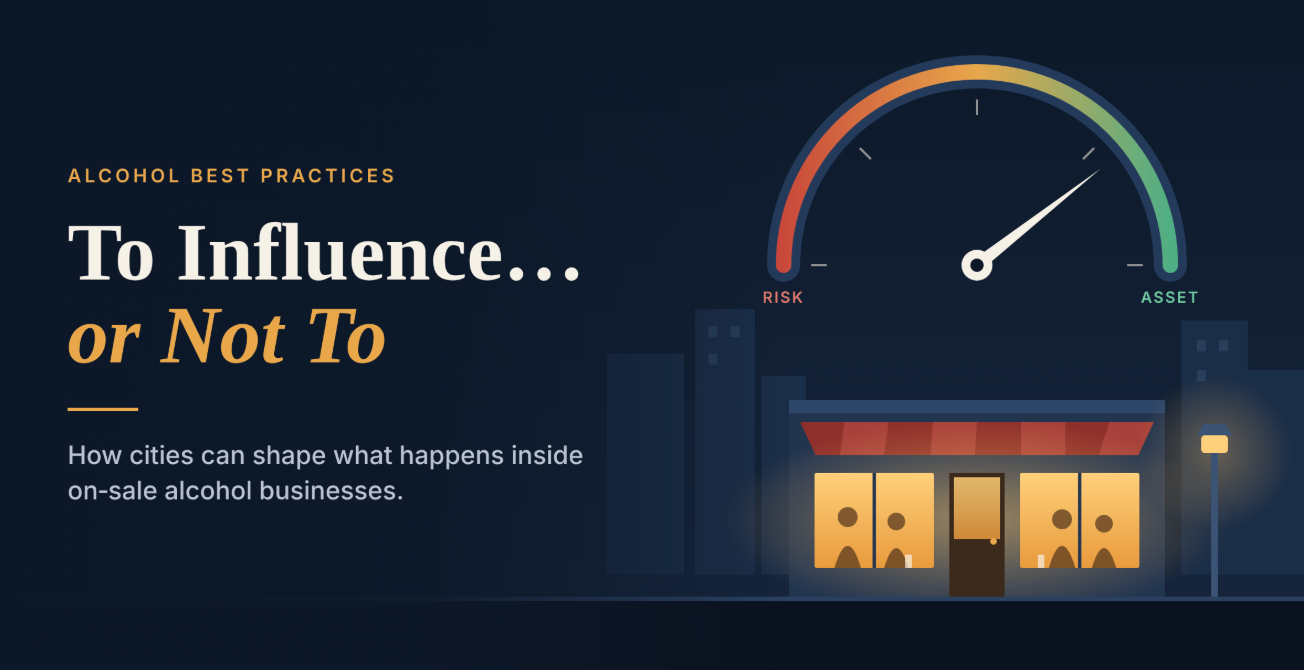
Another goal of mine is far more important and challenging: changing how California cities approve, condition, and onboard new on-sale alcohol businesses (restaurants, bars, clubs, and similar establishments). That's why I teamed with retired ABC District Administrator Lauren Tyson to design our upcoming workshop on best practices for conditional use permits (CUPs) and entertainment permits.
The current process sucks. Yes, I sometimes use technical language.
Who’s Behind This?
I’ve spent years training hospitality operators, planners, and law enforcement on exactly this problem, and wrote a book on the topic, A Business Approach to Reducing DUI, along the way.
Lauren wrote the book on it — literally. As a former ABC District Administrator and author of Perils of Selling Alcohol: A Guide for Bar Owners Facing Legal Trouble, she’s seen exactly what puts ABC-licensed businesses at risk, and what actually protects them and the public.
How Do I Know the Current Process Isn’t Working? Let Me Count the Ways
- Personal experience. I went through the process twice — once in Costa Mesa and once in Irvine. In both cases, very smart, dedicated planners, working with law enforcement, created extensive conditions of approval. One business had 32 separate conditions. Both businesses followed every condition, yet both were still public nuisances for years.
- Working with applicants. Lauren and I have helped dozens of applicants successfully navigate their city’s CUP application process. Yet the operating conditions cities impose rarely (read never) have a meaningful impact on reducing violence or problems.
- Reviewing city policies statewide. We’ve collected CUP conditions and operating requirements from 35 cities across California, including several known for leading the way in responsible ordinance writing. The reality? A business can follow every specific condition of approval and still become a public nuisance.
- Training professionals. We’ve conducted in-person workshops for planners and law enforcement on this topic.
- Presenting at conferences. Together and separately, we’ve presented on these issues at professional conferences.
- Academic research. While writing my first book, A Business Approach to Reducing DUI, I researched the topic extensively, including contacting five of the leading urban planning universities to review their curriculum.
- Working directly with operators. I’ve trained over a thousand hospitality owners and managers. I understand their concerns, their daily realities, and why too many close. Revising how cities approve, condition, and onboard new businesses doesn’t just protect city resources and public safety — it also guides businesses toward practices that improve their profitability.
The Bottom Line
When cities use best practices to approve, condition, and onboard new on-sale alcohol businesses, the outcome looks very different.
- Applicants who complete the CUP process and open for business will hear consistent messaging — from planners, planning commissioners, code enforcement, and law enforcement — about the operational practices that significantly reduce violence and problems.
- Applicants will receive meaningful conditions of approval that, when followed, actually reduce risk for all stakeholders.
- Applicants will experience impactful communication with code enforcement and law enforcement that keeps the operator focused on practices that protect both the business and the community.
That’s what effective onboarding looks like.
We hope you’ll join us for our upcoming Zoom workshop.
And if you twist my arm, I might even share a few brown trout fishing tips. Yes, I did catch that trophy brown — a 17-pound, 7-ounce beauty. I also hit that big Pick 6. If you ask how to hit a $50,000 Pick 6 at the racetrack, my advice is simple: Start with a $100,000 bankroll.
WORKSHOP
Conditional Use Permits, Entertainment Permits, and On-Sale Alcohol Oversight
📅 Date: Wednesday, October 28, 2026
🕐 Time: 10:00 a.m. – 12 Noon Pacific Time (2 Hours)
📍 Location: Live via Zoom
✅ POST Certification pending | APA Certified 2.0 CM
COST
-$330 per attendee; or
-$990 flat rate per city (up to 10 attendees from your city)
WHO SHOULD ATTEND
This workshop is designed for professionals responsible for reviewing, approving, or monitoring alcohol licenses, including:
• City planning officials
• Law enforcement personnel
• Code enforcement officers
• Planning commissioners
Everyone involved in approving, conditioning, or onboarding new ABC on-sale licensed businesses must deliver a consistent, informed message at every step of the process — this workshop ensures they can.
We offer a significantly reduced tuition for a group because the gains from this workshop grow exponentially when every department is trained together.